


10 Reasons to Redesign Your Website [2024]
![10 Reasons to Redesign Your Website [2024]](/images/blog/prenova-spletne-strani/cover.jpg)
Table of Contents
Website redesign is something worth considering before you discard the old site and start building a completely new one. Of course, it’s essential to ensure your website follows digital trends, but with a smaller investment of time and money, you can already achieve a lot through a website redesign.
Optimized websites attract more visitors
An attractive, well-designed, and user-friendly website will draw a larger number of visitors. By optimizing your website (SEO), you ensure that your site is polished in Google’s eyes as well and appears as high as possible on the search results page.
Did you build a website and then kind of forget about it?
We often come across the belief that once a website is set up, the job is done. Wrong! That’s actually the point where everything truly begins.
A website needs to be maintained, updated, and periodically redesigned, both in terms of content and technical aspects. An outdated and neglected site doesn’t just harm your company’s image and brand. Because Google doesn’t consider it relevant, it “won’t display it on the first page of search results.”
What does this mean? Fewer website visitors, fewer inquiries sent or purchases made, which can cause a decline in sales growth, a weakened market presence, and worst of all – your competitors overtake you.
1. Business results don’t match expectations
If you’ve reviewed your business performance and found that conversions are low, that the visit rate is high but users aren’t completing desired actions on your website (e.g., submitting an inquiry, making a purchase, signing up for a newsletter, etc.), then it’s time for a website redesign.
There can be many reasons for poor results – from inadequate navigation, non-functional contact forms, a lack of CTA buttons (calls to action), to inappropriate content or a poor user experience.
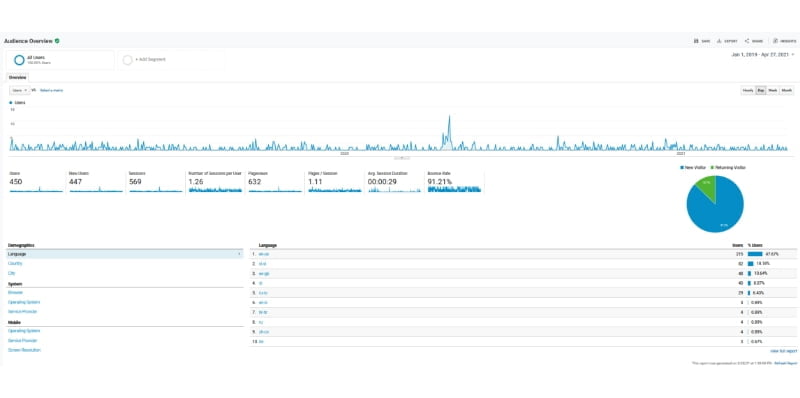
How can I tell if my website isn’t performing as it should?
With tools like Google Analytics, you can precisely monitor how users behave on your website. You can track how long they stay on a page, which subpages they visit, where they leave your website, and much more.
This data will help you identify the weak points of your website and what needs to be improved. If you find that you need help with website development, we’ll be happy to assist.
How to encourage users to click?
CTA buttons (Call to Action) are key elements of every website. They prompt users to take action and guide them through the sales funnel. Examples of effective CTA buttons:
- Send an inquiry
- Sign up for the newsletter
- Download a free guide
- Request a quote
- Book an appointment
- Start a free trial
Well-designed and strategically placed CTA buttons can significantly improve your website’s conversions.
2. Misalignment with your target audience’s needs
Your website may seem logical and modern – at least in your eyes. However, the key question is whether it meets the expectations of your target audience. If users can’t find what they’re looking for, they’ll quickly head to the competition.
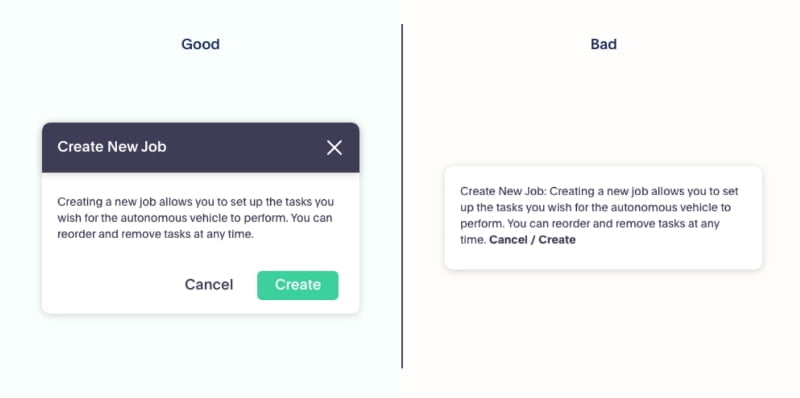
Poor user experience
Poor user experience (UX) is one of the most common reasons visitors leave a website. This includes cluttered menus, overly long forms, lack of a search function, poorly readable text, slow loading times, and much more.
User experience isn’t just about how the site looks, but also how it works. If a user can’t find the information they’re looking for within a few seconds, they’ll leave the site.
What are the needs of the target audience?
Before you start redesigning your website, it’s crucial to understand your target audience. Ask yourself:
- Who are your ideal visitors?
- What are they looking for on your website?
- What problems do they want to solve?
- What information do they need to make a decision?
- On which devices do they visit your site?
Once you have the answers to these questions, you can tailor your website to truly serve the needs of your users.
3. You’ve updated your brand
If you’ve recently changed your logo, updated your visual identity, added new products or services, or changed the look of your brand in any way, your website needs to reflect that too.

A website is often the first point of contact between a potential customer and your company. If your website doesn’t reflect the current look of your brand, it creates confusion and reduces trust.
As many as 94% of users judge a company’s credibility based on website design. That’s why alignment between your brand and your website is extremely important.
Benefits of a website aligned with your brand:
- Strengthens brand recognition
- Builds trust with visitors
- Creates a professional impression
- Improves user experience
- Increases conversions
- Ensures consistent communication
4. Emergence of new trends
The digital world is constantly changing. What was modern and innovative two years ago may already be outdated today. Following trends and adapting your website to new technologies is key to maintaining competitiveness.
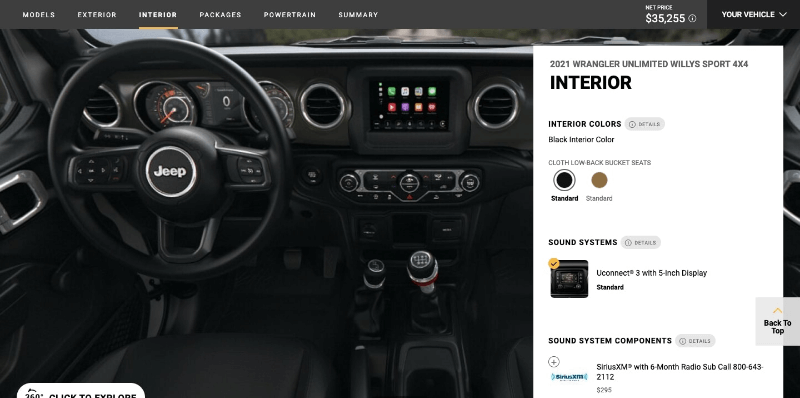
Some examples of modern trends you can incorporate into your website:
- 3D views and virtual tours
- Vehicle or product configurators
- Interactive animations
- Chatbots and artificial intelligence
- Content personalization
- Video content and backgrounds
Before you start a redesign, ask yourself the following strategic questions:
- Does our website follow current trends in our industry?
- Does the competition offer a better online experience?
- Have we utilized all the possibilities that modern technology offers?
- Do our users expect features that we currently don’t offer?
- Does our website leverage new channels for attracting visitors?
5. Your website looks outdated
An outdated website is like a business card that’s creased and crumpled – it doesn’t make a good first impression. If your website looks like it was made a decade ago, you’ll have a hard time convincing visitors that you’re a modern and reliable company.
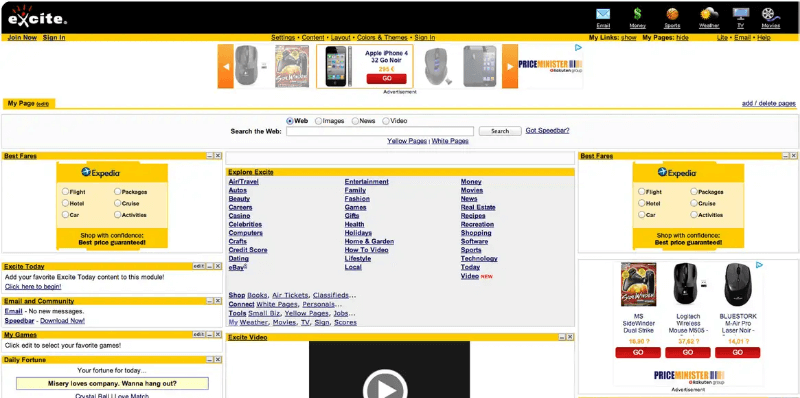
According to Stanford University data, as many as 75% of users judge a company’s credibility based on website design. An outdated website therefore directly damages your credibility and reputation.
Signs of an outdated website:
- Use of Flash technology
- Non-responsive design (not adapted for mobile devices)
- Outdated fonts and color schemes
- Low-resolution images
- Complex and cluttered navigation
- Fonts that are too small and spacing that is too tight
- Lack of white space
- Auto-playing music or video
If you recognize any of these signs on your website, it’s time for a redesign.
6. Your website isn’t mobile-friendly
Today, more than half of all website visits come from mobile devices. If your website isn’t adapted for mobile phones and tablets, you’re losing a huge number of potential customers.
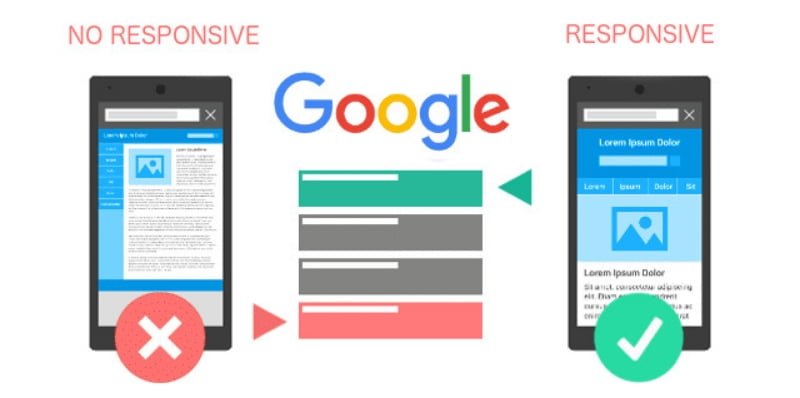
Google has been giving priority to mobile-friendly websites in search result rankings for years. This means that a non-responsive website doesn’t just harm user experience, but also your visibility in search engines.
Three key reasons why your website must be mobile-friendly:
User experience – Users expect a website on their mobile phone to be just as usable as on a desktop computer. If they have to zoom in on text or scroll horizontally, they’ll quickly leave the page.
SEO ranking – Google uses a “mobile-first” approach for indexing, meaning it first evaluates the mobile version of your website. A non-responsive site will be ranked lower.
Conversions – Users who have a good experience on a mobile device are more likely to complete the desired action – whether it’s a purchase, an inquiry, or a sign-up.
7. Your website isn’t optimized
SEO optimization is one of the most important factors in a website’s success. Without proper optimization, your website simply won’t be visible on the first page of Google search results.
Statistics show that as many as 70% of users click on the first search result. If your website isn’t among the top results, you’re missing out on a huge amount of organic traffic.
Organic traffic (visitors who come through free search results) is far more valuable in the long run than paid traffic (advertising). While advertising delivers results only as long as you’re paying, a well-optimized website brings visitors continuously.
When redesigning your website, the following SEO factors should be considered:
- URL structure
- Meta descriptions and page titles
- Page loading speed
- Mobile friendliness
- Content quality and relevance
- Internal and external links
- Heading structure (H1, H2, H3…)
- Image optimization (alt tags, file sizes)
- Structured data (Schema markup)
- SSL certificate (HTTPS)
8. Slow website
Website loading speed is a critical factor that affects user experience, SEO ranking, and conversions. Research shows that as many as 40% of users abandon a website if it takes more than 2 seconds to load.
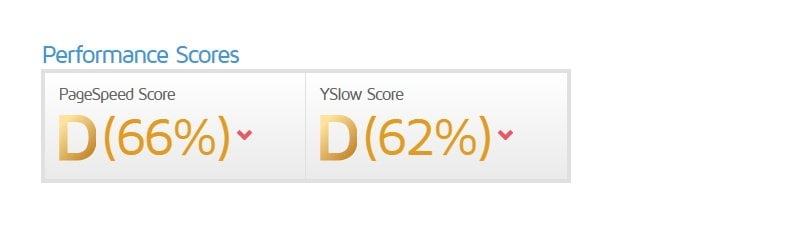
Every additional second of loading time means a lower conversion rate, a higher bounce rate, and worse search engine rankings. A slow website is therefore costing you money – both directly (lost conversions) and indirectly (worse SEO ranking).
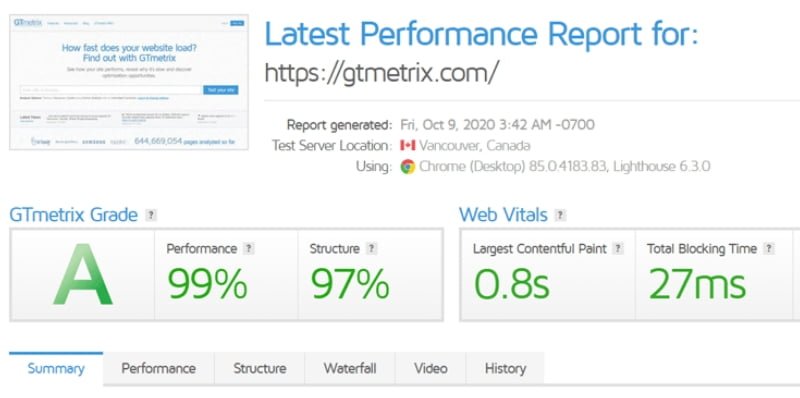
The most common causes of slow loading are oversized images, unoptimized code, a slow server, too many plugins, and a lack of caching.
To check the speed of your website, you can use the following tools:
- Google PageSpeed Insights
- GTmetrix
- Pingdom Website Speed Test
- WebPageTest
- Lighthouse (built into Chrome DevTools)
If the results show that your website is slow, a redesign is an excellent opportunity to optimize its speed.
9. Your website isn’t secure
Website security is more important today than ever before. Visitors won’t trust a website that isn’t secure, especially if they need to enter personal information such as their name, email address, or payment details.
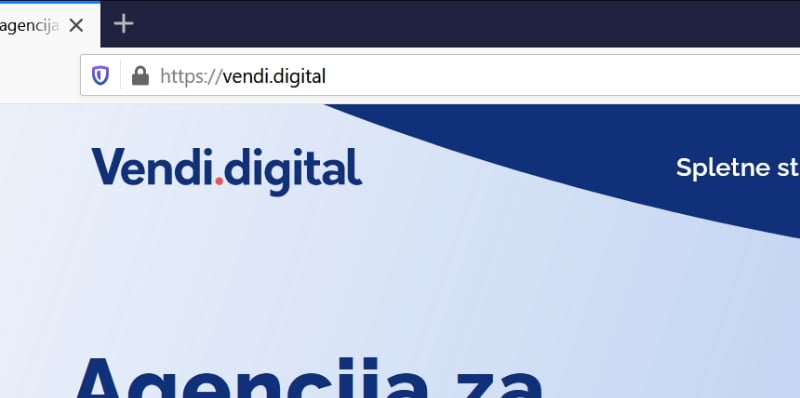
Since 2018, Google has been marking websites without an SSL certificate as “Not Secure” in the Chrome browser. This means visitors see a warning immediately upon visiting your site, which discourages them from browsing further.
How to check if your website is secure:
- Check if the URL starts with “https://” and not “http://”
- Look for the padlock icon in the browser’s address bar
- Verify the validity of the SSL certificate
- Check that all resources on the page (images, scripts) are loaded via HTTPS
- Regularly update your CMS, plugins, and themes
- Use strong passwords and two-factor authentication
A website redesign is an ideal opportunity to upgrade security and implement modern security standards.
10. Updating your own content is difficult
If updating content on your website causes headaches – if you have to ask a developer for every change, or if the editing interface is so complex that you’d rather not use it – then it’s time for a redesign.
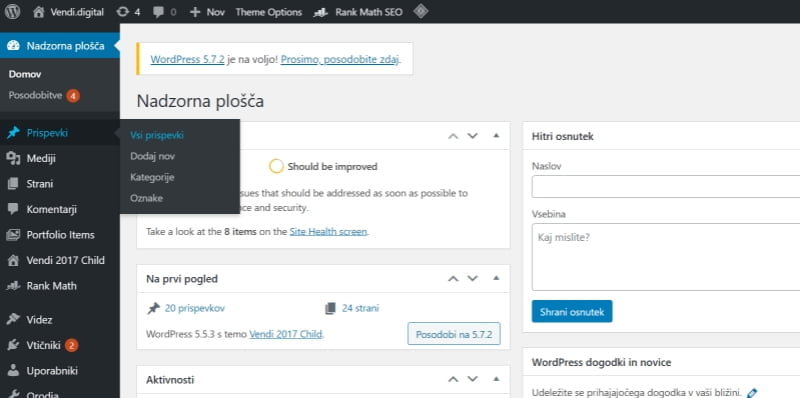
A modern CMS system (content management system) allows you to easily update text, images, news, products, and other content without technical knowledge. The most popular CMS system is WordPress, which powers more than 40% of all websites in the world.
When redesigning your website, ensure good content organization:
- Clear hierarchy of pages and subpages
- Logical navigation that follows the user journey
- Consistent use of headings, subheadings, and paragraphs
- Well-arranged images and multimedia content
- Easy addition of new content and pages
Your website should above all be user-friendly
At the end of the day, the most important thing is that your website is user-friendly. Everything else – design, SEO, speed, security – serves this one goal: helping visitors find what they’re looking for and complete the desired action.
A clear content structure, intuitive navigation, and clear calls to action are the foundation of a successful website. If users don’t understand where they need to click or where to find information, they’ll leave the site – regardless of how beautiful it is.
How to start a website redesign?

A website redesign is an investment that pays off. A well-designed, optimized, and user-friendly website will attract more visitors, generate more inquiries, and increase sales.
If you recognize yourself in any of the reasons above, it’s time to take action. At vendi.digital we help you with website redesign – from analyzing the current state, to design, development, and optimization.
Don’t forget that a website is just one part of your digital presence. For a comprehensive strategy, also read our guide on digital marketing, which will help you understand how to connect everything into an effective whole.

Mihael Travnikar
UX Web Designer
Mihael Travnikar is a professionally trained and experienced graphic designer. He found his calling in web design and always strives to find innovative design solutions.
LET'S START TOGETHER
Contact us
Already know what you want? Great. Have questions? Even better.
Start a project